Thread Hard Turning
HARD TURNING
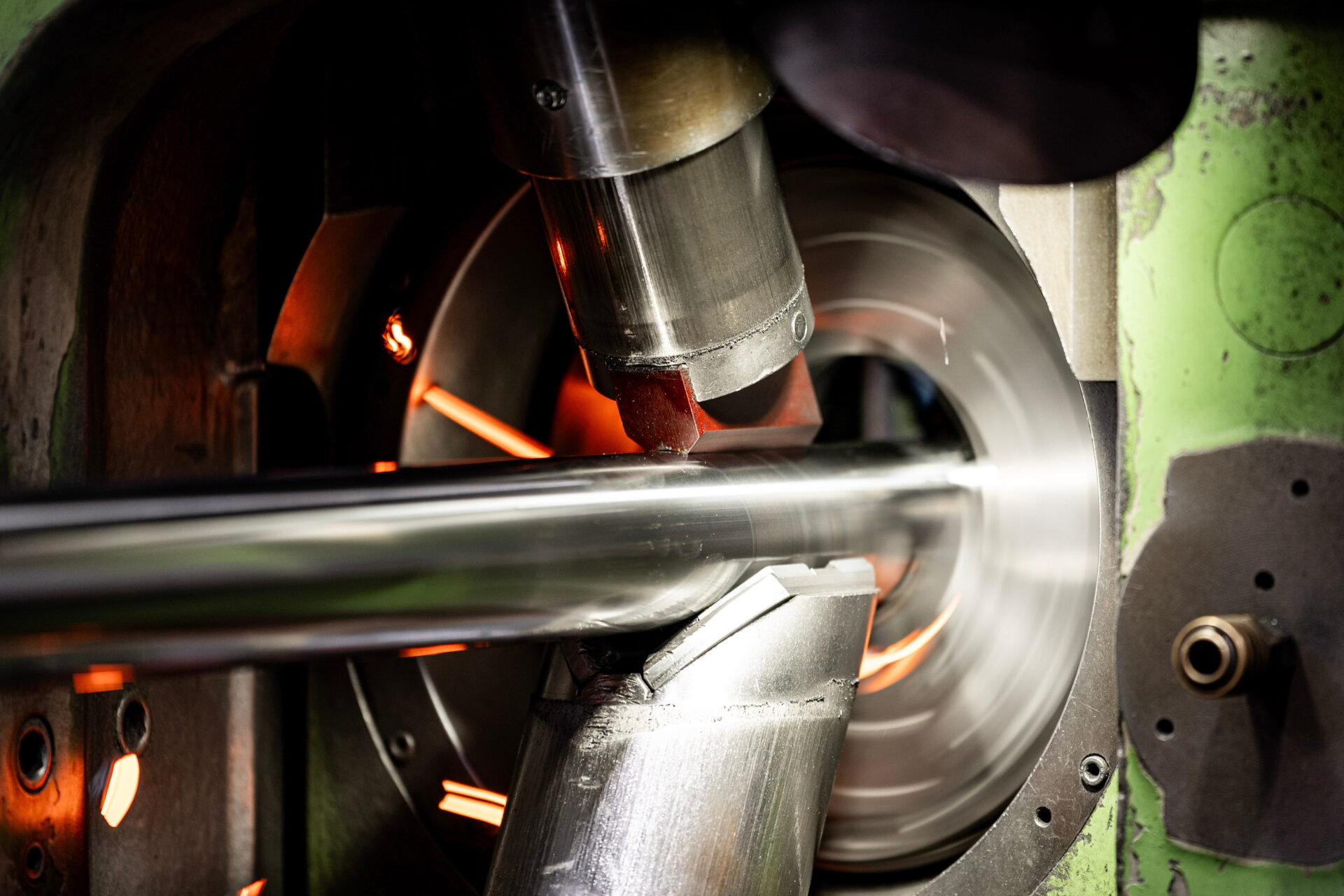
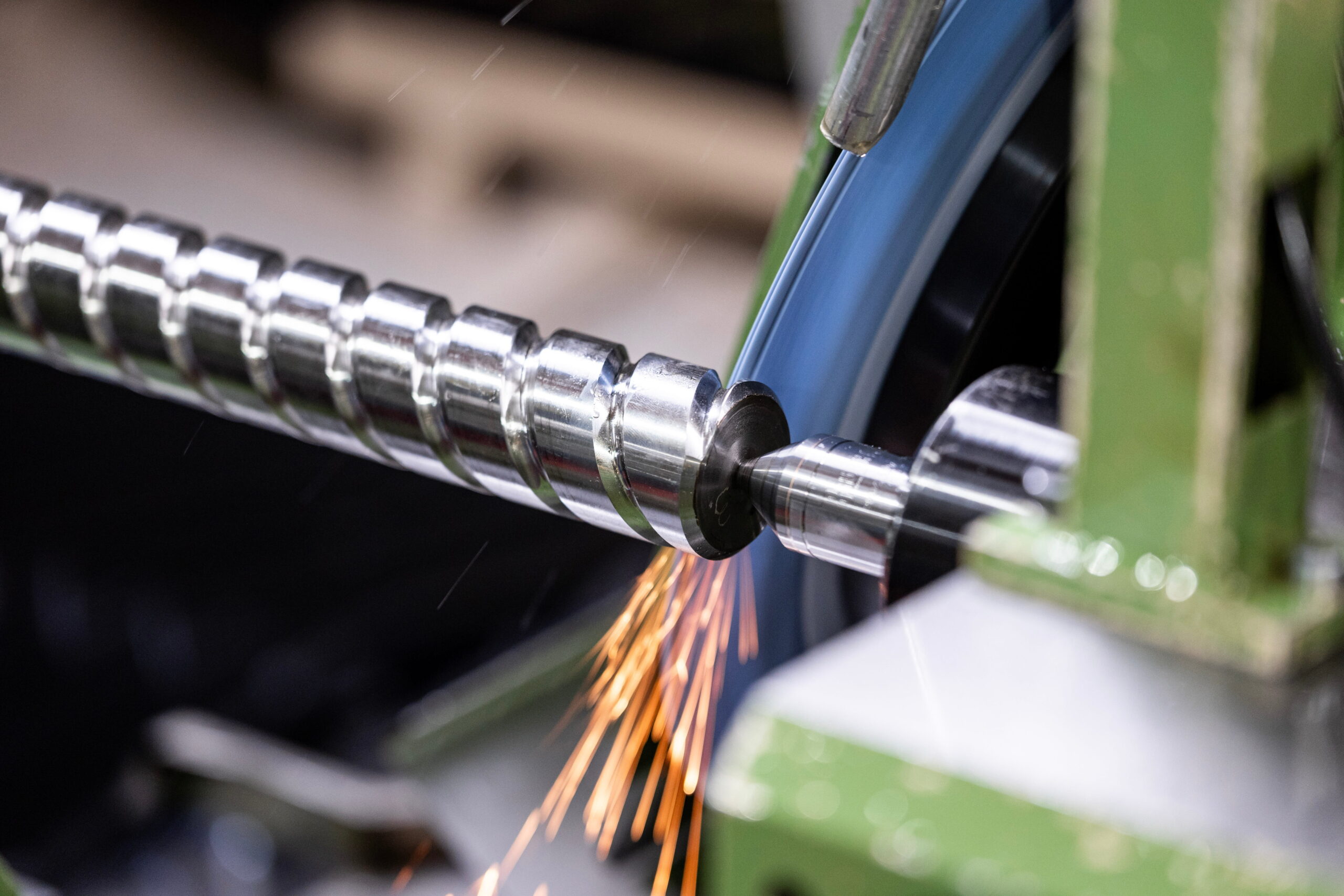
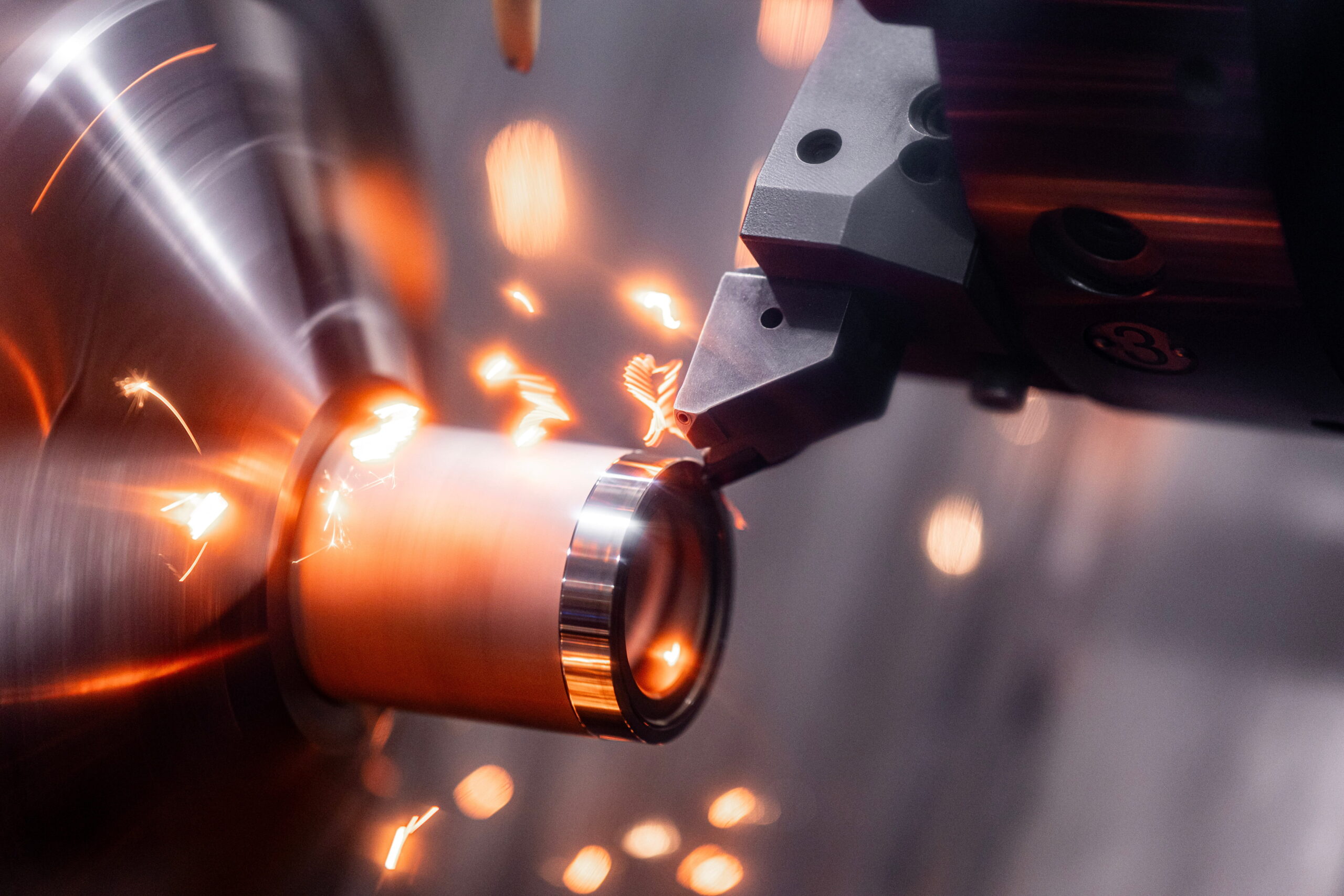
In hard turning, a rotating workpiece is machined by a stationary tool with a geometrically defined cutting edge, similar to conventional turning. By synchronizing the tool feed and workpiece speed, a precise thread is created. The thread’s profile, pitch, and lead can be freely varied, allowing for the easy implementation of special geometries or individual requirements.
Fast, flexible, precise
Hard Turning for Hardened Materials
In hard turning, hardened workpieces are directly machined with special cutting edges, eliminating the need for pre-grinding. This process enables precise thread profiles, high surface quality, and flexible geometries – ideal for small to medium series.
Performance Range
Our hard turning process enables the production of ball screw nuts with complex profiles and high pitches – for both small series and individual custom-made products. External and internal geometries such as radii, cones, M-threads, or fits are manufactured in a single clamping. This guarantees maximum precision with minimal setup effort. For all dimensions between 6 and 63mm and in a pitch range from 3 to 160mm with all common profiles.
All the benefits at a glance
Efficient heat dissipation
The heat generated during machining is dissipated directly via the chips. There is no significant heat transfer to the workpiece, which keeps set-up costs low and ensures a high level of energy efficiency. Furthermore, no additional cooling medium is required, making the process environmentally friendly and low-maintenance.
Excellent surface finish
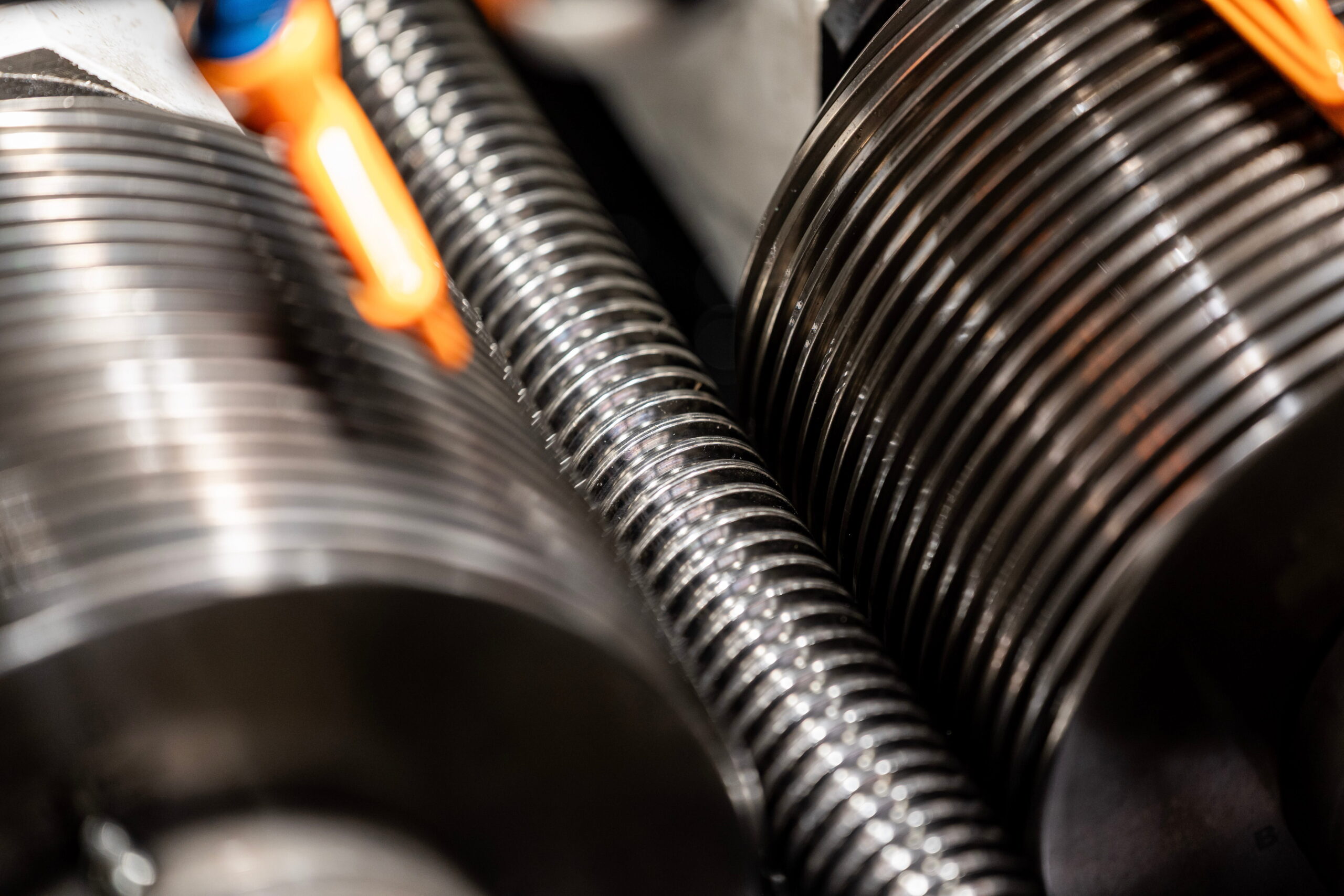
The resulting micro-scale rotational grooves form small pockets in which the lubricant can settle. This extends the service life of the lubricating film and ensures optimal ball movement and smooth running.
Flexibility and precision
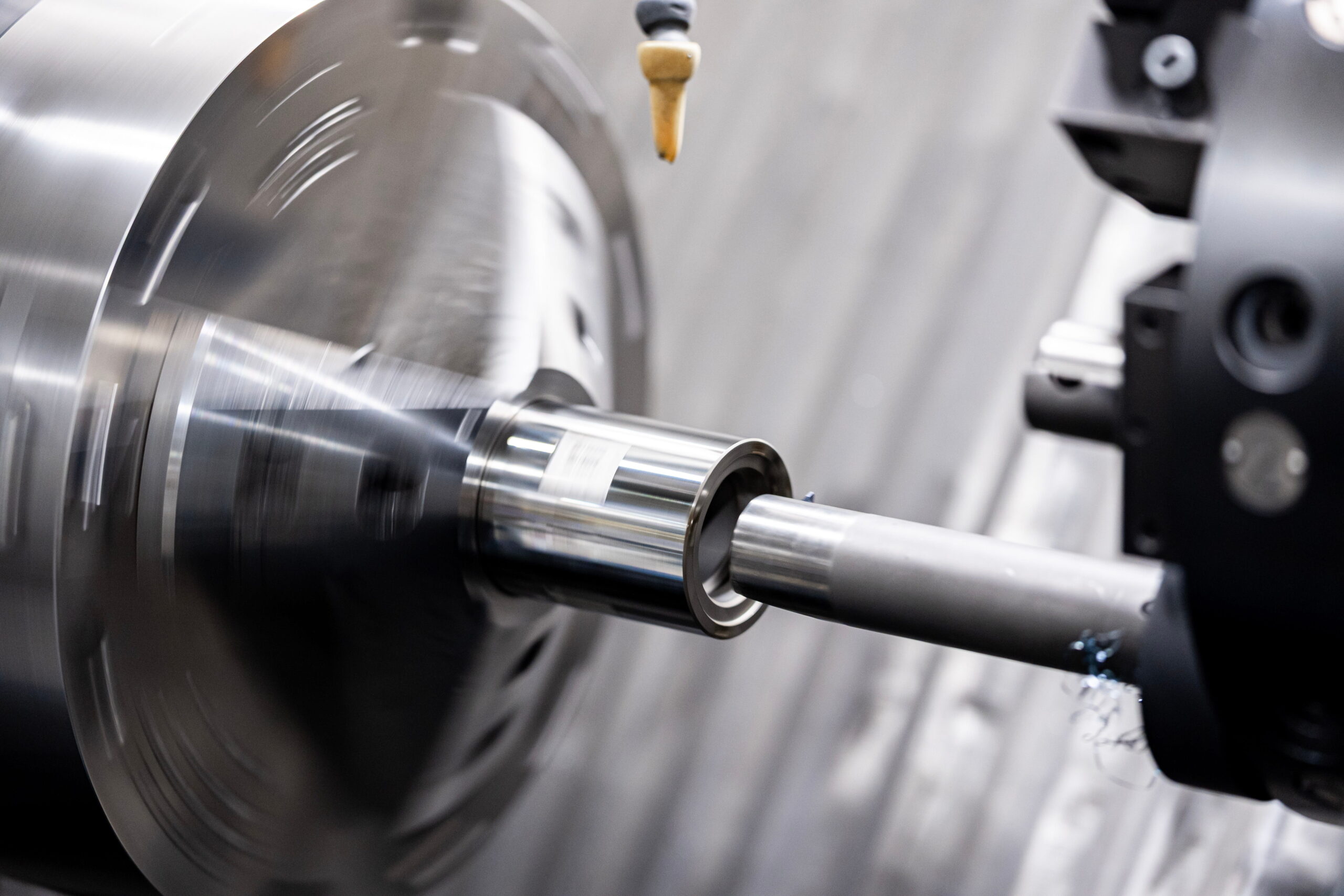
Hard turning is particularly suitable for special profiles, high pitches, or small quantities. External and internal geometries such as radii, cones, M-threads, or internal fits can be manufactured in a single clamping. This ensures maximum concentricity and axial runout accuracy with simultaneously low setup times.
Flexibility and precision
Hard turning does not require a coolant, resulting in low set-up costs and low-maintenance processes.
The Process in Detail – How Hard Turning Works
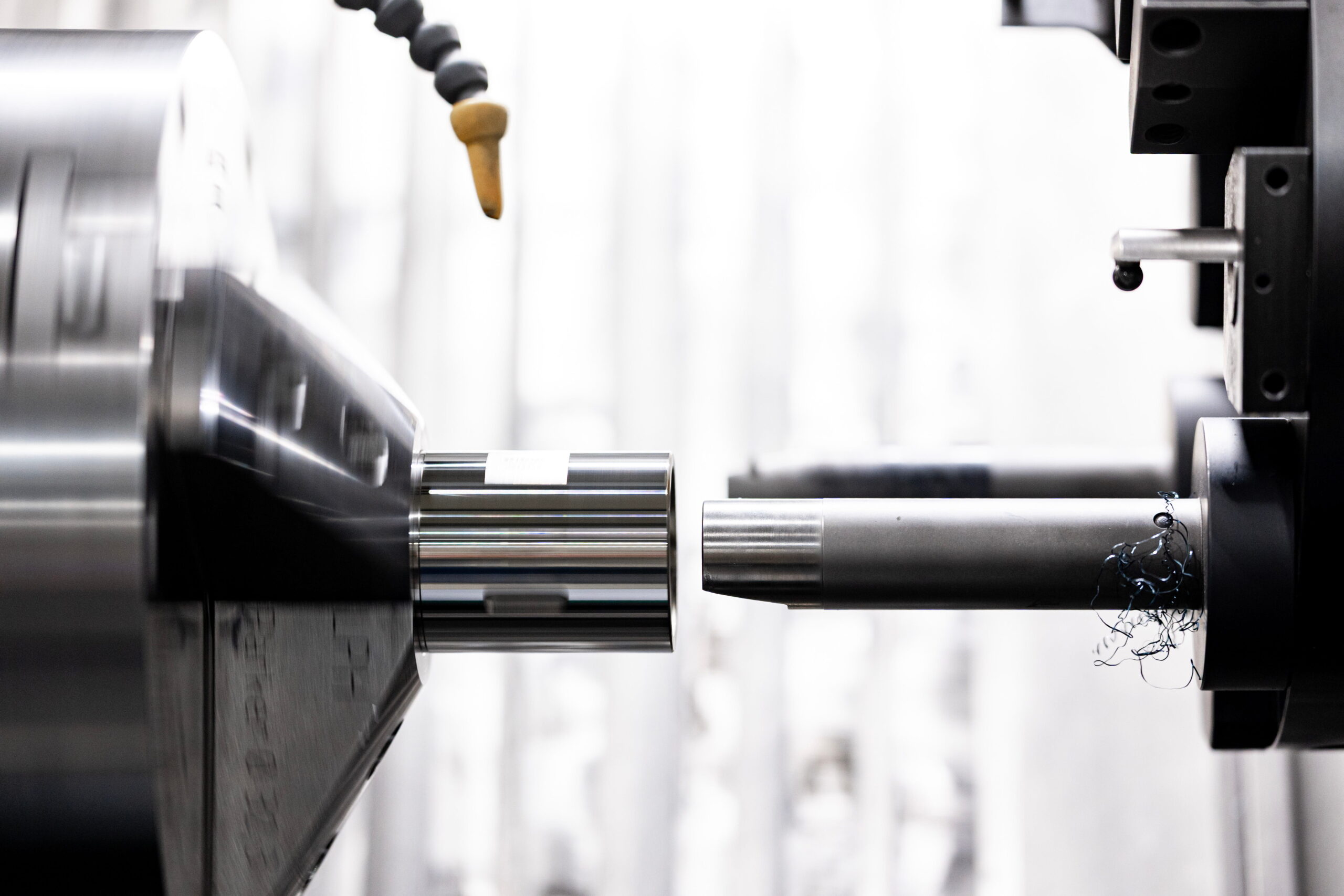
Hard turning uses a stationary tool with a defined cutting edge that precisely machines a rotating workpiece. By synchronizing the feed and rotational speed, the thread is formed – with freely selectable parameters for profile, pitch, and lead. The heat generated is dissipated via the chips, which means the workpiece is subjected to minimal thermal stress. At the same time, very fine surface structures are created, which serve as a lubricant film carrier in the ball running direction and optimize the functionality of the ball screw nut.
Special highlights of the Ball screw nuts
- Measurable Profile Accuracy at the Highest Level
- Precise parallelism and pitch despite high flexibility
- Gradient accuracy
- Excellent Surface Quality as Standard
- Profiles individually customizable to customer requirements
- Best cost-effectiveness through optimal price-performance ratio
Hard turning at Kammerer
Hard turning is a relatively new manufacturing process that has only become possible thanks to the increasing computing power of modern machine control systems. Since its introduction in 2010, it has been continuously refined through the use of new cutting materials and specially adapted tool holders.
Today, this technology enables the production of thread nuts with the highest precision and flexible geometry in the diameter range from Ø 6 to Ø 63 mm and pitches from 3 to 180 mm. Thus, hard turning combines the highest quality standards with exceptional manufacturing versatility.
Technologies