
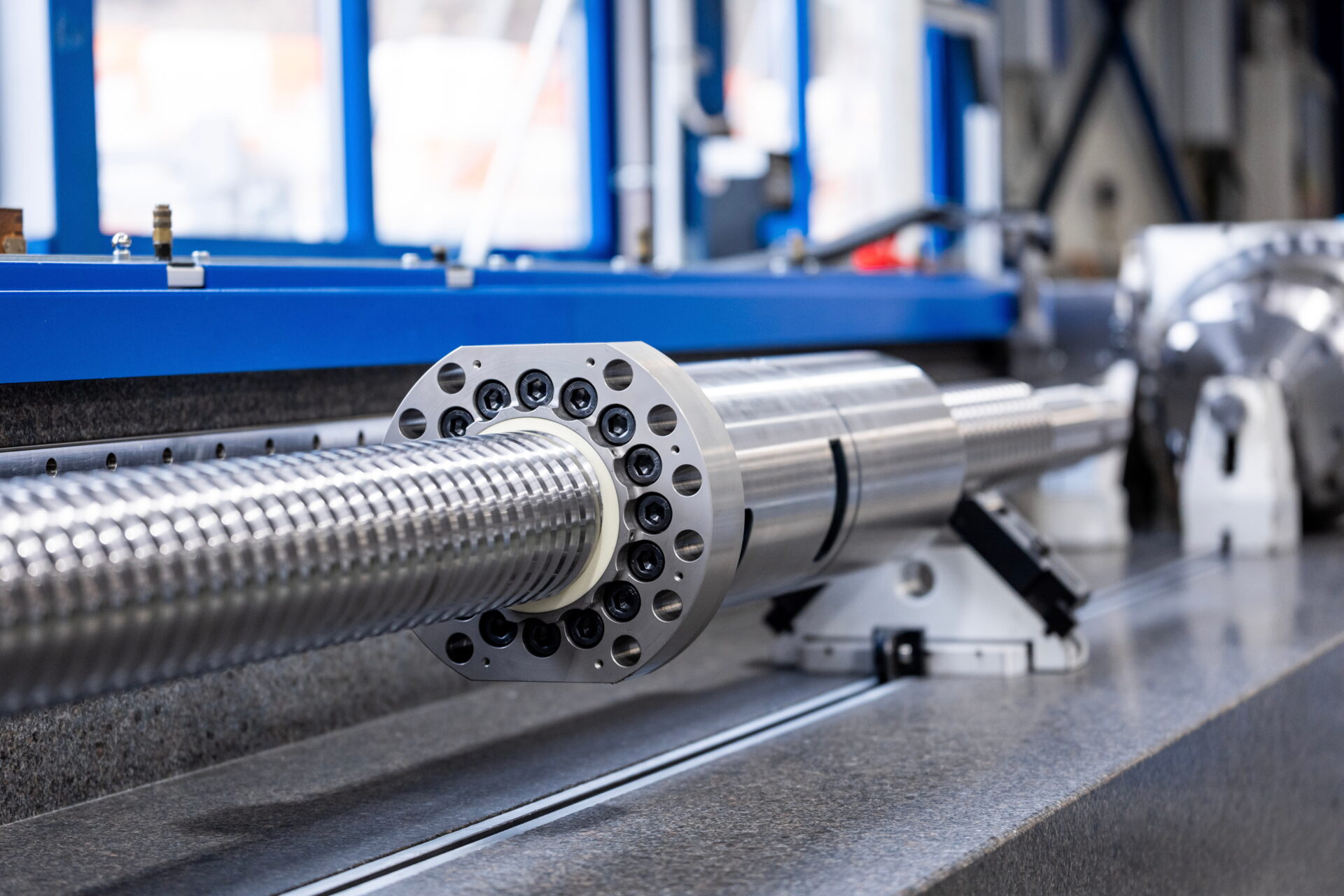
Ball Screw Drive
Precision that moves
Ball Screw Drives
Precision ball screw drives from Kammerer offer you precise, efficient, and long-lasting solutions for your machines. We manufacture to the highest standards and flexibly adapt to your requirements. This guarantees rapid integration into your systems.
Ball Screw Drives for Maximum Efficiency and Precision
Ball screw drives convert rotary motion into linear motion with the highest repeatability, dynamics, and energy efficiency. They are the central component in linear axes and ensure precise positioning, long service life, and optimal power density in mechanical engineering, automation, and precision technology.
Key Component for Efficiency Enhancement
The ball screw drive is the complete assembly of a rolling screw drive with balls as rolling elements. It serves to convert rotary motion into linear motion or vice versa. Its ability to move high loads efficiently and precisely makes it a preferred choice in demanding technical environments.
The performance and accuracy of a ball screw drive depend greatly on manufacturing precision. Our ball screw drives are manufactured in accuracy classes IT3, IT5, and IT10 in accordance with DIN ISO 3408 (formerly DIN 69051).
Upon request, we supply lead measurement reports for the ball screw spindles (for IT3 these are standard).
The Operating Principle of Ball Screw Drives
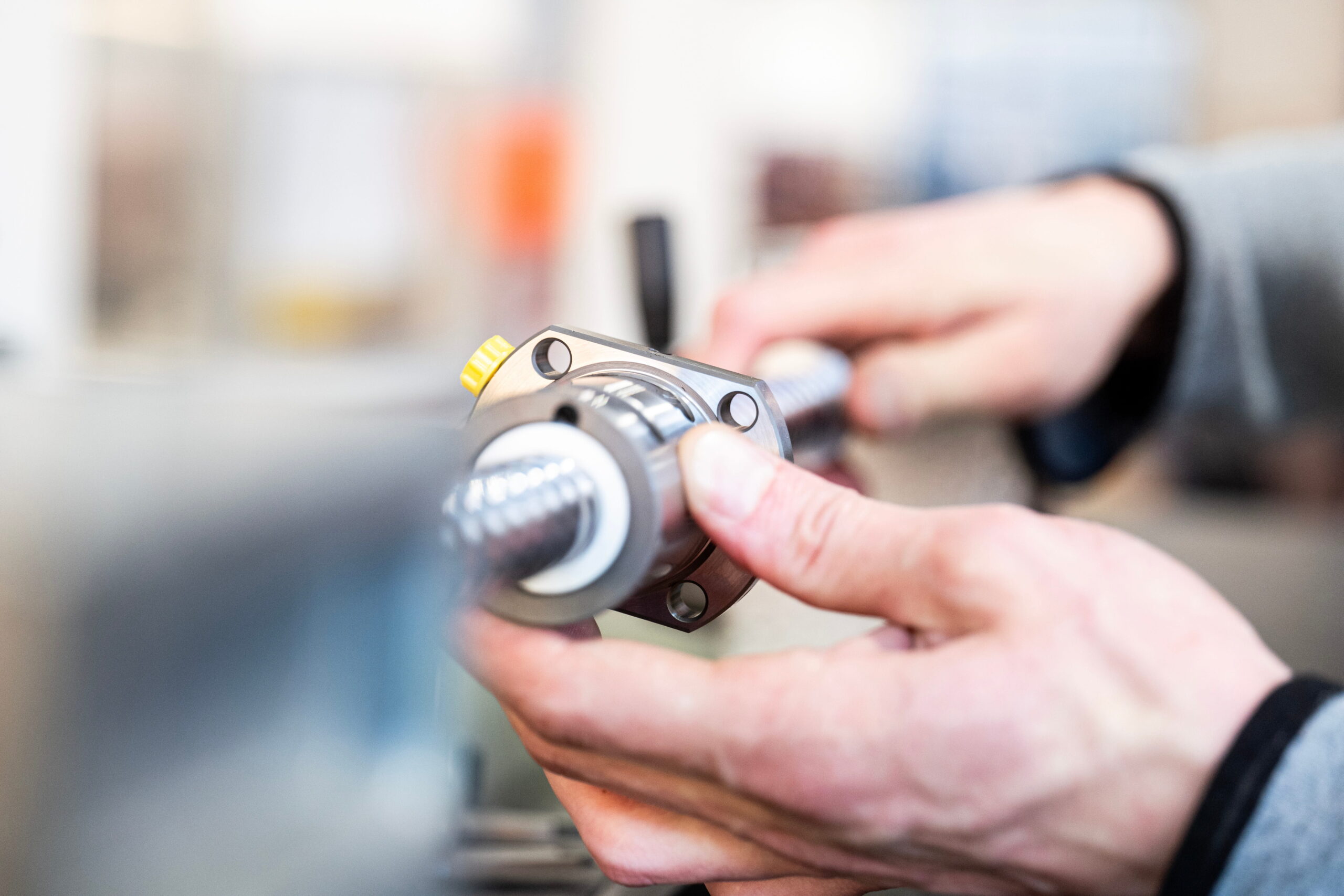
A ball screw drive consists of a threaded spindle and a ball screw nut, with balls located between them. The ball rolls between the ball thread grooves of the spindle and the nut. This enables low-friction movement. Compared to conventional threaded spindles, such as trapezoidal screw spindles, the low friction enables more efficient power transmission.
The result: higher positioning accuracy and longer service life.
Specifications of Our Ball Screw Spindle
Diameter: We manufacture ball screw drives from Ø 4 – Ø 160 mm.
Lead: As a rule, the maximum lead equals the nominal diameter. Larger leads and special leads (including inch leads, etc.) are possible on an individual basis.
Spindle length: Spindle lengths up to 7 m are manufactured in one piece and are standard. Ball screw drives with longer spindles are available on request. Spindle lengths up to 15 m have already been realized.
Number of starts: Kammerer ball screw drives are available with single and double start, in both right-hand and left-hand thread.

Ball Screw Spindle / Ball Screw
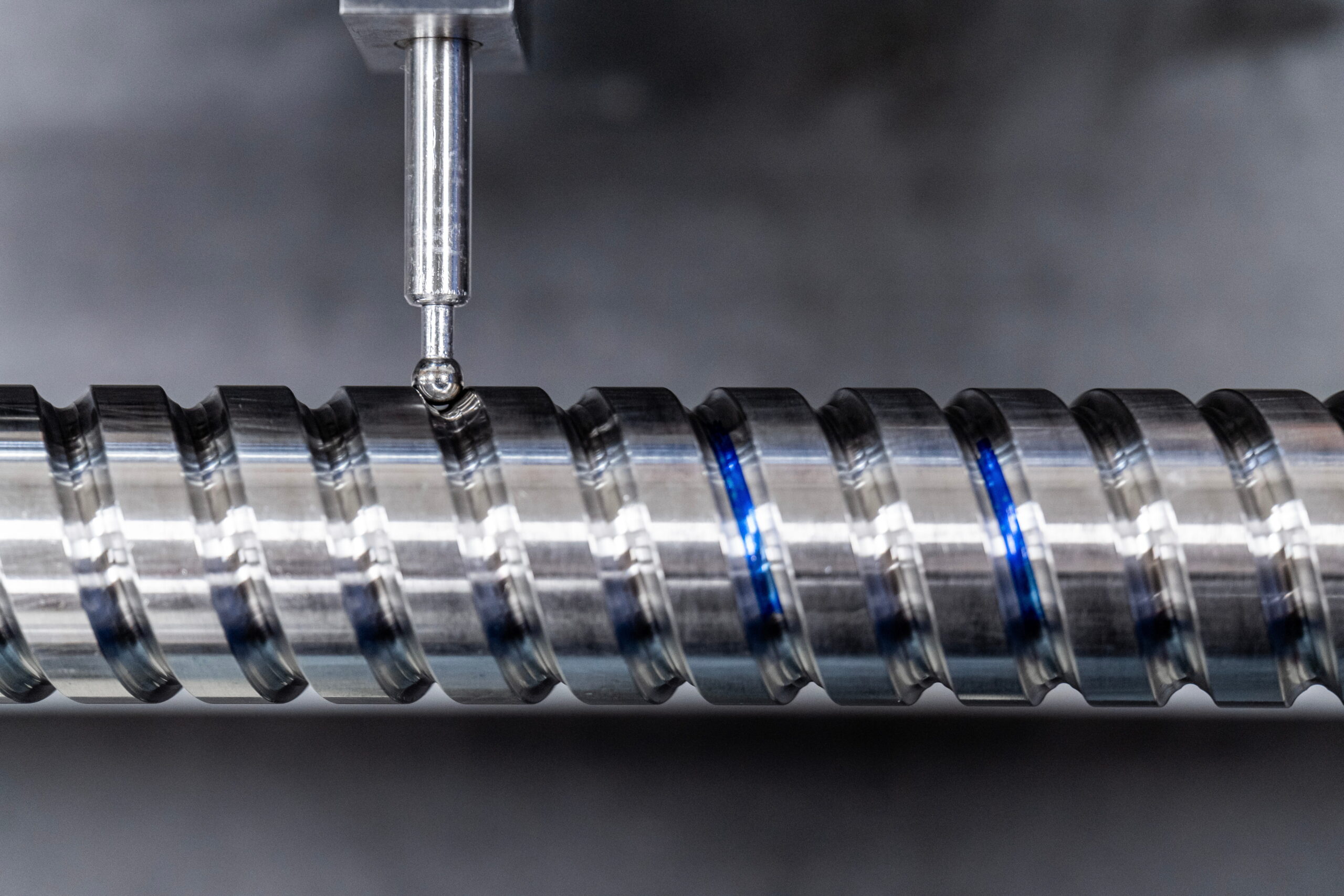
The ball screw spindle is the rotating part of the ball screw drive. It is a cylindrical shaft with one or more spiral grooves in which the balls roll.
A distinction is made between positioning and transport ball screw spindles.
Positioning ball screw spindles are used for applications with increased requirements for running characteristics, e.g. machine tool construction.
Transport ball screw spindles are used in handling technology and conveyor technology.
The spindle thread is available in rolled, whirled, or ground versions depending on requirements.
Ball screw nut
The ball screw nut is the heart of ball screw drives. It enables linear motion with high precision, speed, and efficiency. It contains balls that roll in the thread grooves of the spindle, enabling movement with minimal rolling friction, as opposed to the sliding friction of trapezoidal screw nuts.
By rotating the spindle, the nut moves linearly along the spindle. Conversely, by moving the nut, rotation of the spindle can also be generated.
The appropriate ball screw nuts can be manufactured in accordance with DIN standards, proprietary standards, or customer drawings. The type of nut can also be freely specified by the customer.
For long spindles, we also offer driven nuts, which are supplied with a complete bearing package.
There is no table for this product.
Ball Profiles
The ball profile is based on customer requirements. Depending on the lead or load, ball profiles from Ø0.6 to Ø20 are used.
High-quality production, ready for immediate use
At Kammerer, we rely on certified quality in accordance with DIN ISO 9001:2015.
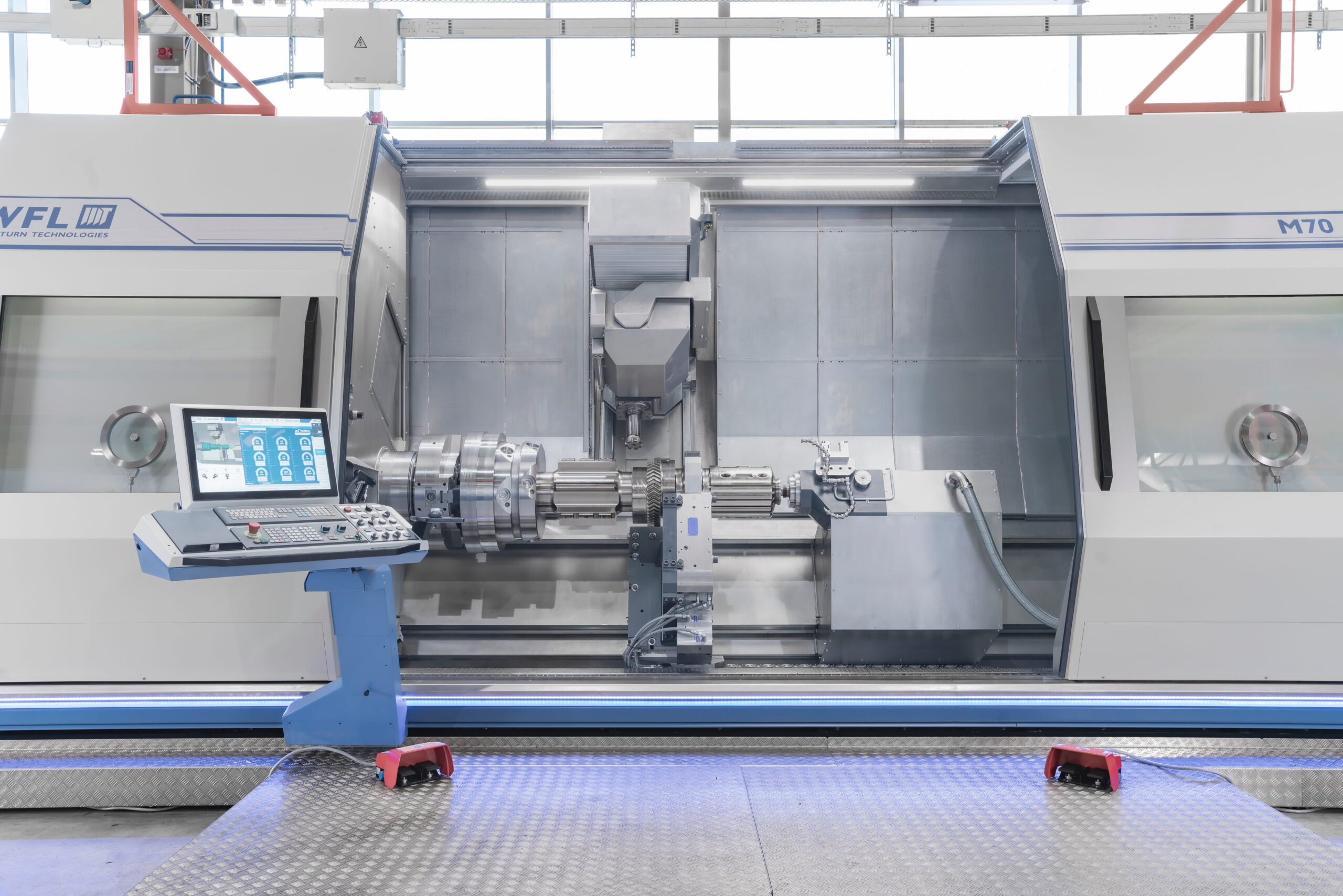
Our modern manufacturing technologies ensure that you receive top-quality ball screw drives that can be installed and put into operation immediately upon delivery.
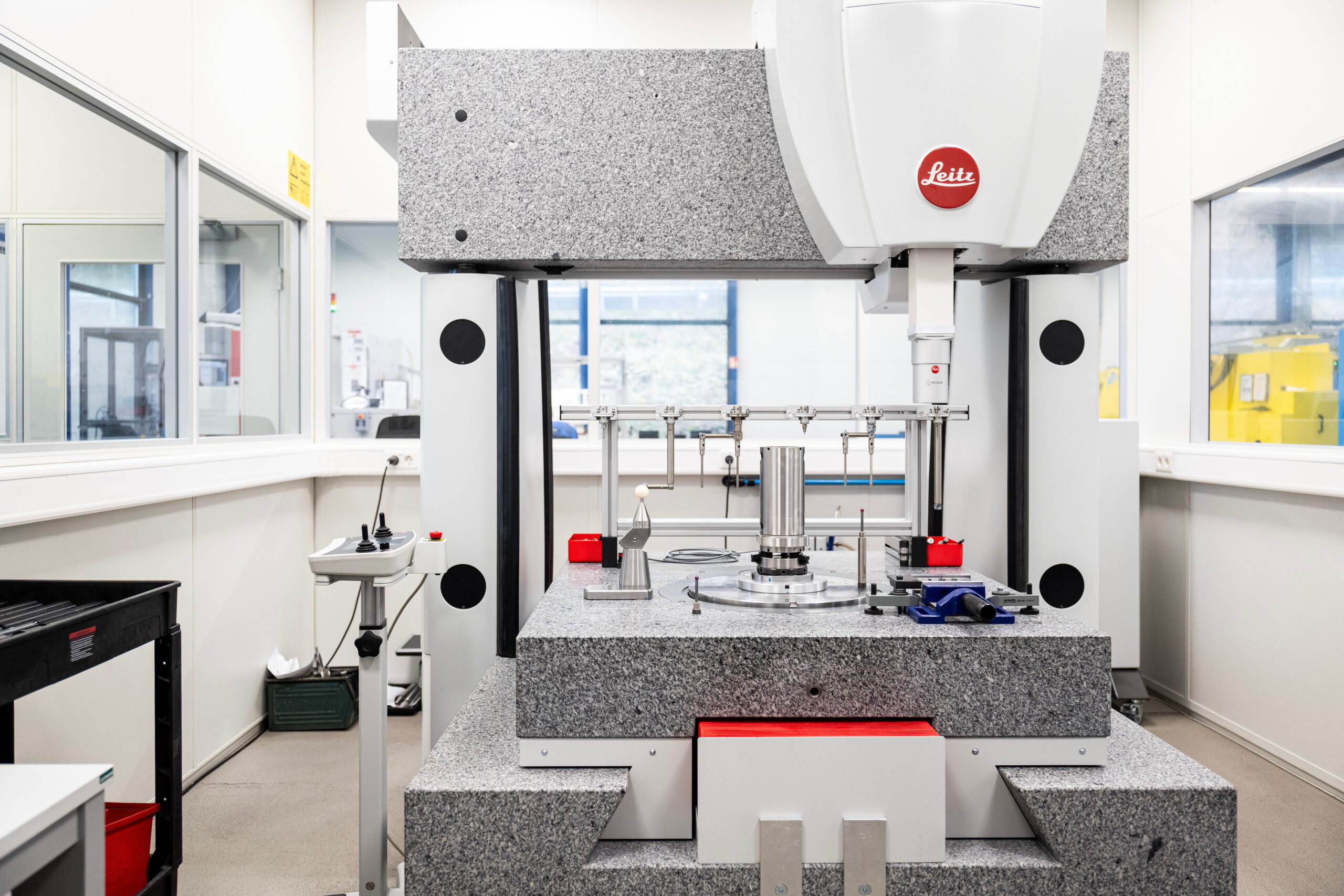
Upon request, we carry out detailed measurements, such as lead, profile shape, hardness, torque, rigidity, and surface quality, to ensure that all your requirements are met.
Benefit from our extensive expert network: Should a measurement task exceed our capacities, we work with specialized partners who are experts in thread measurement.

Extended product solutions, services, and accessories
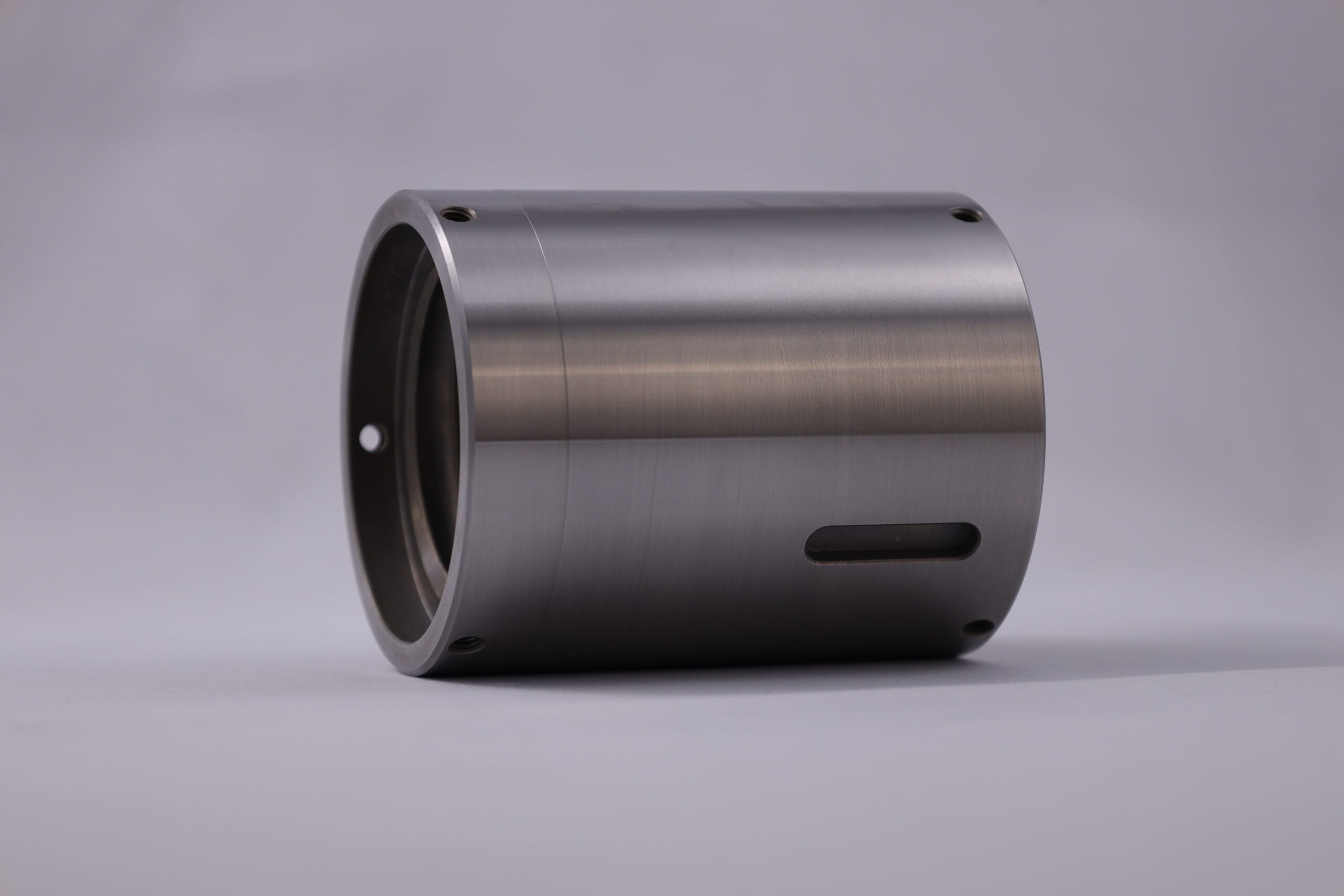
- We supply complete assemblies with fixed and floating bearing blocks as well as nut housings. Our heavy-duty program “Herkules” offers ball screws for the highest load forces.
- Designers can request nut drawings in various CAD formats. Our engineering department will be happy to provide you with CAD data for your lead screw drive upon placement of an order.
- Additionally, we offer various wiper systems and complete covers for our ball screws to comprehensively meet your requirements.
Nut types
Simple nut
Learn more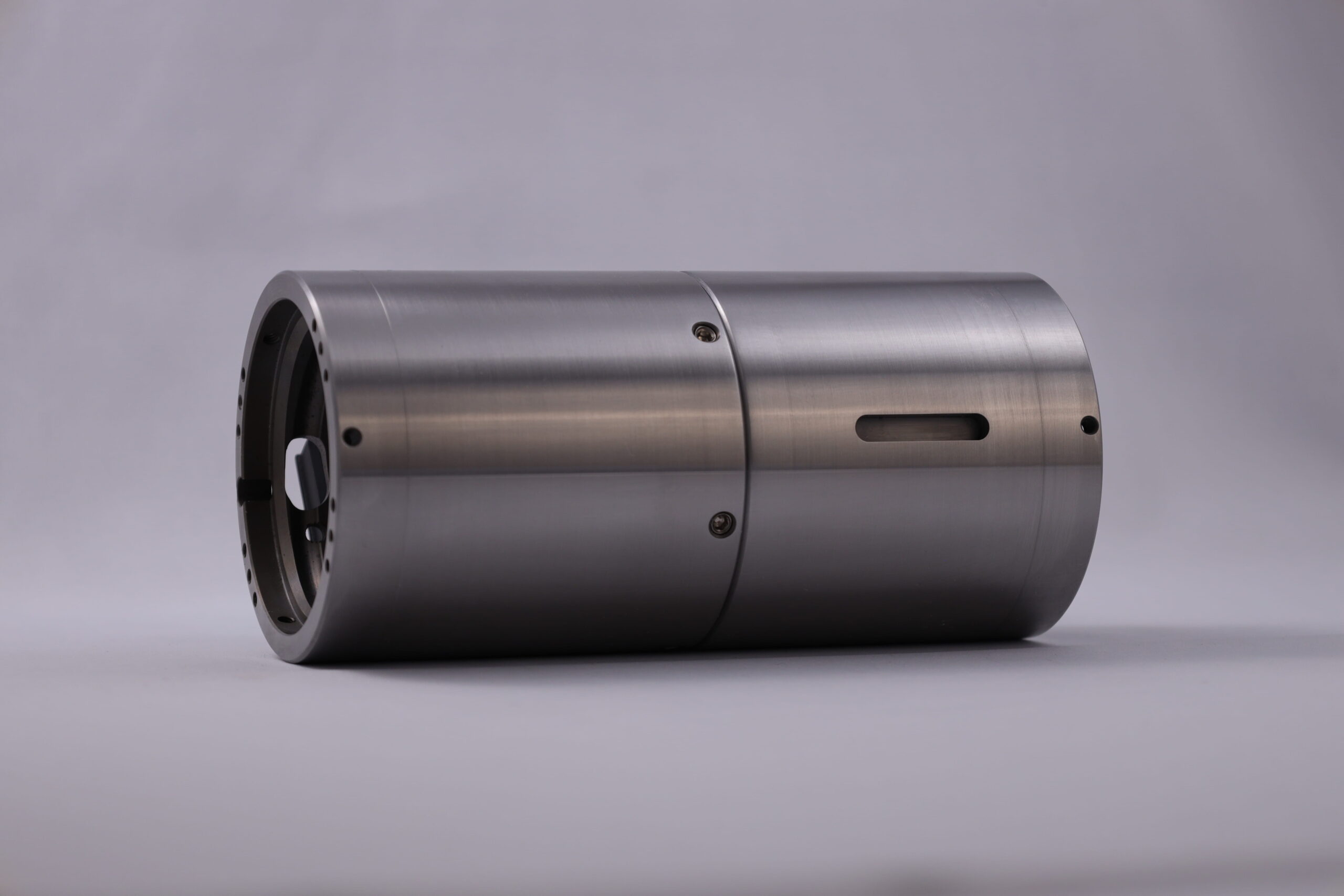
Double Nut
Learn more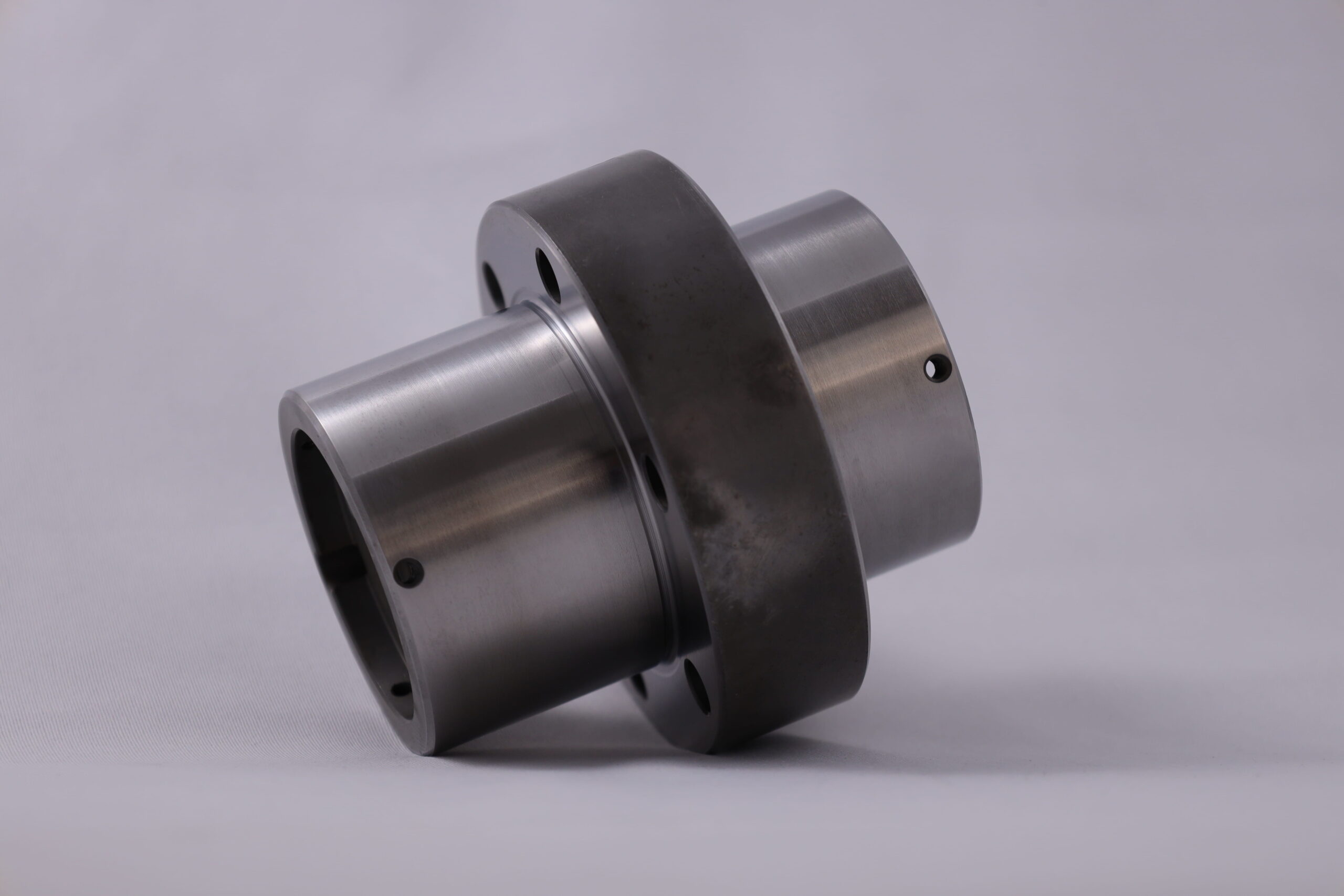
Center flange nut
Learn more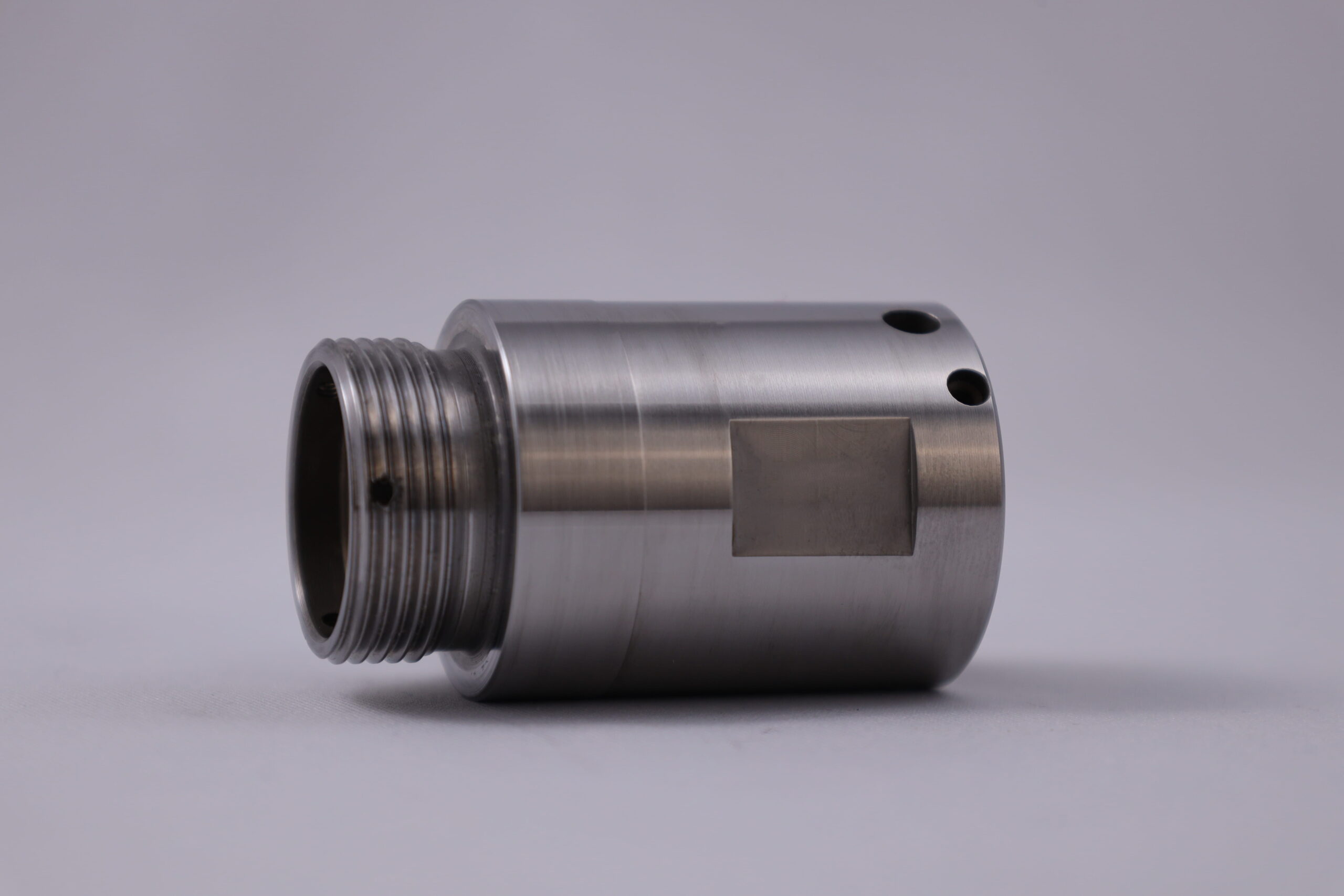
Screw-in Nut
Learn more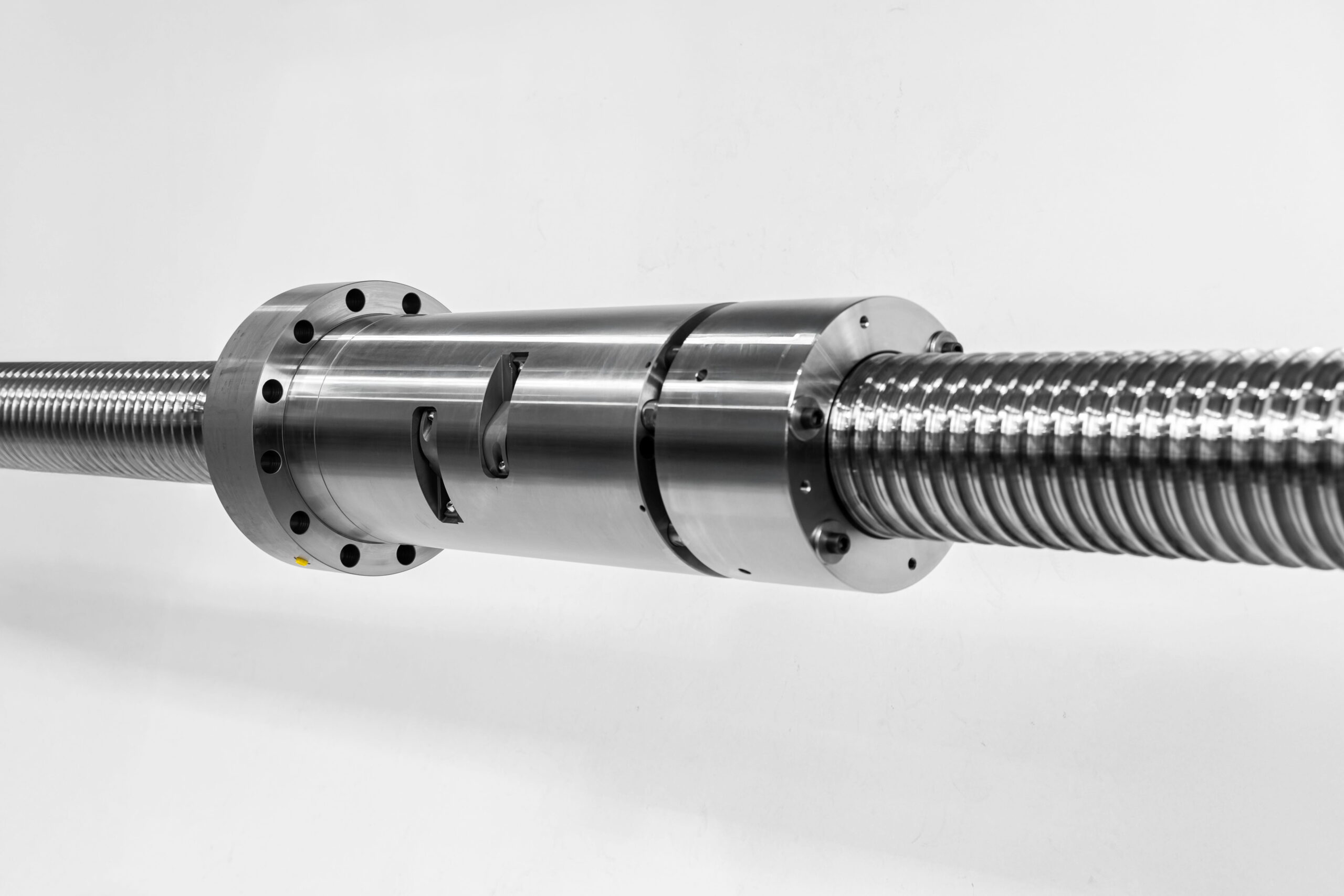
Heavy-duty nut
Learn more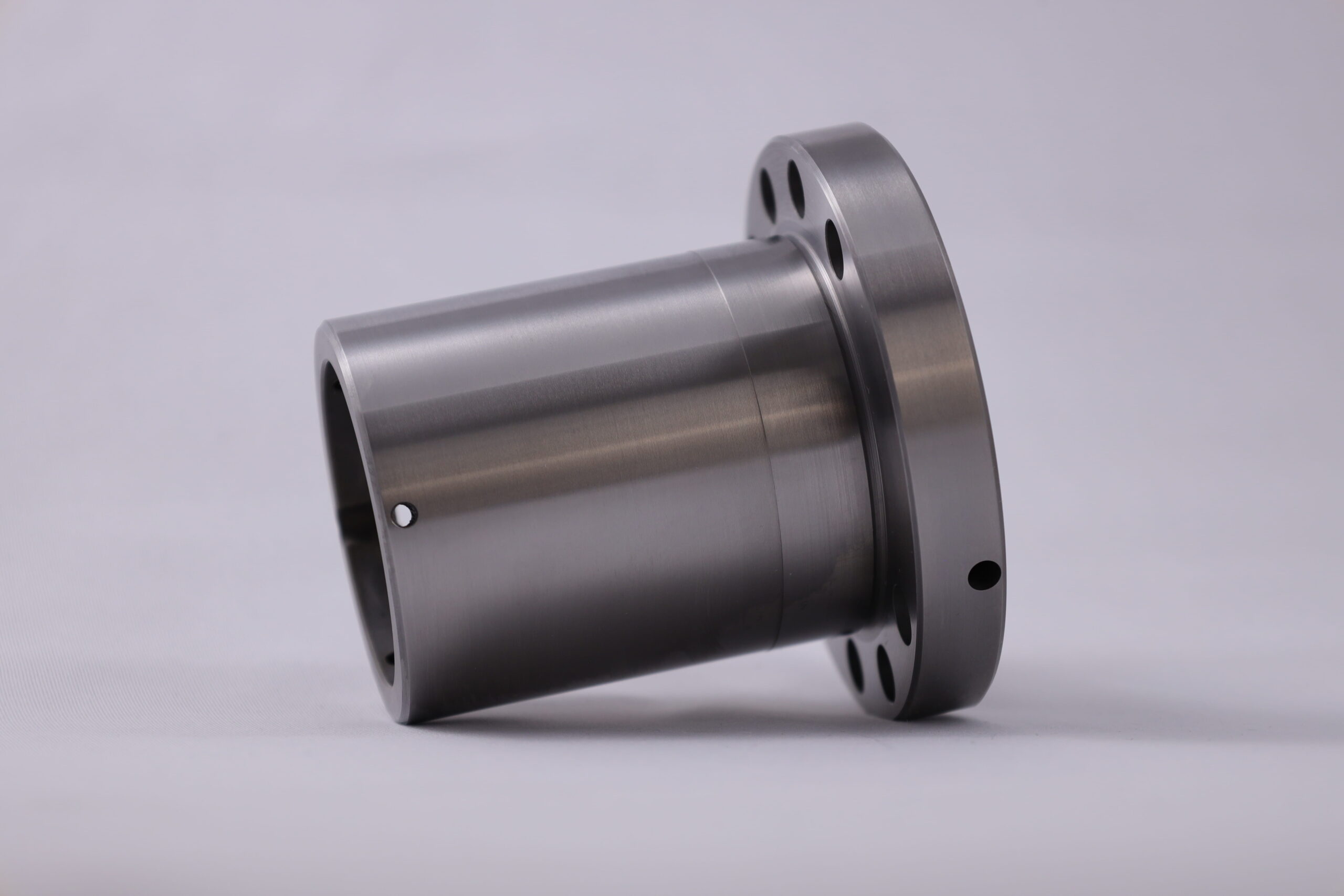
Single-flange nut
Learn more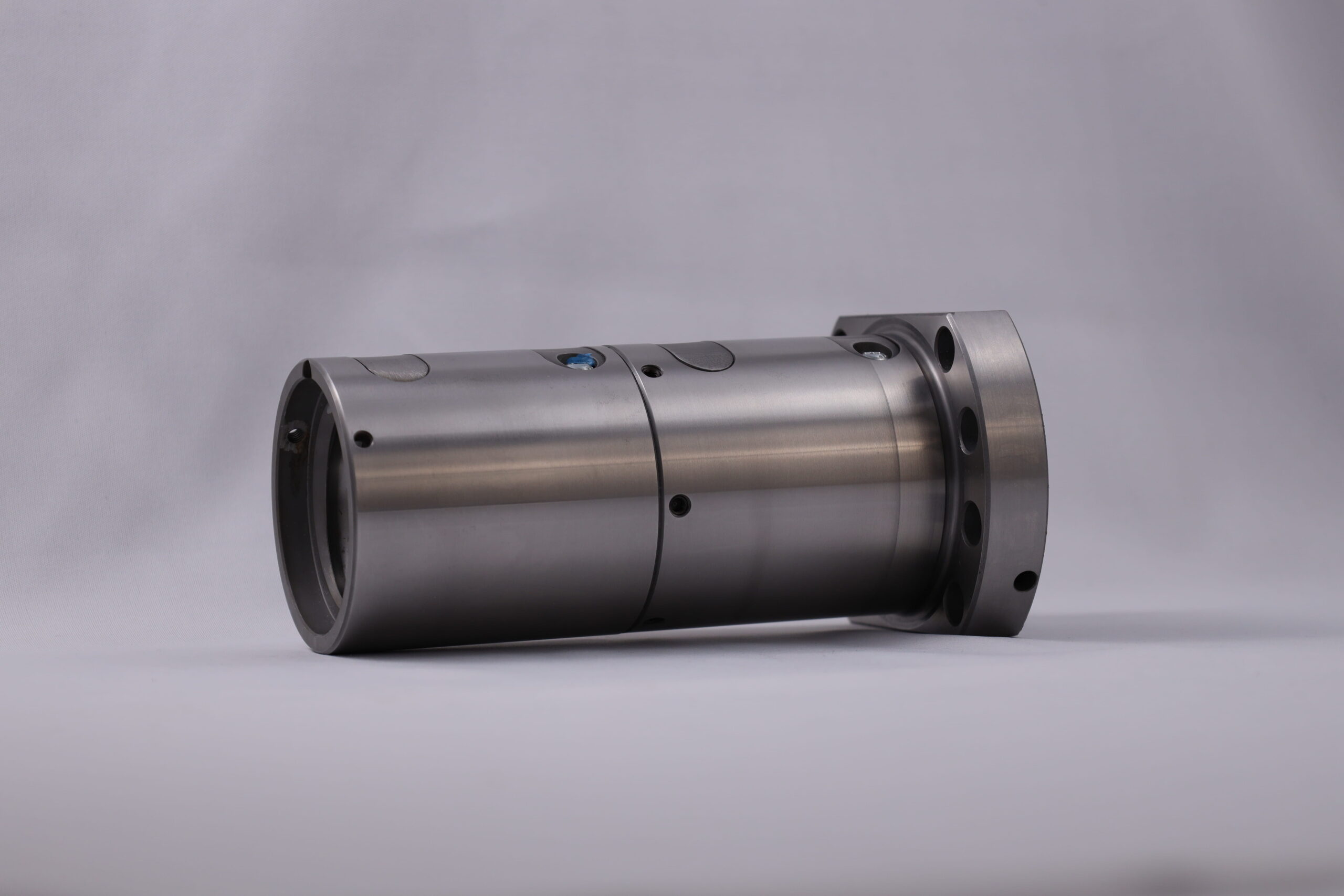
Double Flange Nut
Learn more

Certified sustainability for environmentally conscious companies
Our commitment to sustainability is officially recognized by the EMAS environmental certificate. By choosing our ball screws, you are helping us make an active contribution to environmental protection.

CONTACT FORM
Questions
- How should a ball screw drive be mounted?
The bearing arrangement of a ball screw drive should be designed to reliably accommodate axial forces while simultaneously avoiding stresses. In practice, a fixed/floating bearing arrangement is typically employed. The fixed bearing accommodates axial forces in both directions and ensures high rigidity, while the floating bearing guides the spindle radially and compensates for thermal length changes. The bearings must be precisely aligned, preloaded without play, and sufficiently rigidly mounted in the housing to prevent runout, vibrations, and premature wear.
- What is the difference between axial and radial recirculation?
The difference between axial and radial recirculation in ball screws lies in the direction in which the balls are returned within the nut. In axial recirculation, the balls are redirected along the screw axis and return parallel to it, allowing for a compact design and high running smoothness. In radial recirculation, the balls are guided outwards across the screw axis and returned radially, which allows for a robust construction but typically requires more installation space and can cause higher recirculation noise.